I Have Selective Hearing: Not Selected – A Designer's Guide to Intentional Visuals
In the crowded landscape of digital content, the phrase "I Have Selective Hearing - Not Selected" captures a universal truth about modern attention. For graphic designers and brand strategists, this concept is not just a witty saying; it's a core principle of effective visual communication. Our audiences are constantly bombarded with information, practicing their own selective hearing. The challenge is to create designs so compelling, clear, and well-structured that your message breaks through the noise and gets selected for engagement.
Why This Design Philosophy Matters
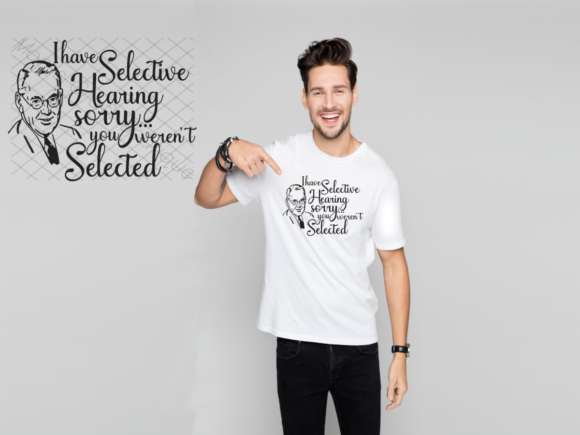
Effective visual design is an exercise in intentional curation. Just as the brain filters auditory input, the eye filters visual data. A successful design guides the viewer's gaze, ensuring the most critical information isn't just seen, but understood and remembered. This requires a deep understanding of visual hierarchy, typography, and color theory. When you purchase a digital asset like the "I Have Selective Hearing - Not Selected" SVG file, you're not just getting clipart; you're acquiring a tool built with this principle in mind. Files optimized for cutting, like those from MomsCraftBoutique, are created by fellow crafters who understand that a clean, scalable vector is the foundation for a professional result, whether applied to merchandise, signage, or social media graphics.
Practical Applications Across Creative Projects
This design element's versatility is its strength. Its clear, impactful message can be adapted to numerous contexts, strengthening brand identity and user engagement.
- Branding and Logo Design: Use the phrase as a sub-brand or tagline for a hearing-related product line, a podcast, or a consultancy focusing on active listening. Its straightforward typography ensures readability at any scale.
- Marketing and Social Media: Create attention-grabbing Instagram posts, Facebook group announcements (like for free design resources), or promotional banners. The transparent PNG file is perfect for layering onto photographs or branded backgrounds.
- Website and UI Design: Integrate the SVG into an "About Us" page or a team section to add personality. In UI, it can serve as a playful icon or button label for a feature that filters or selects specific content.
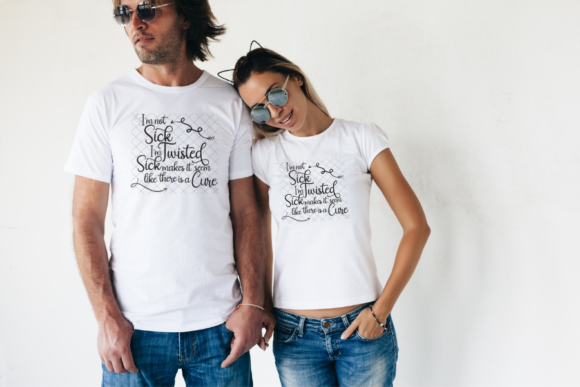
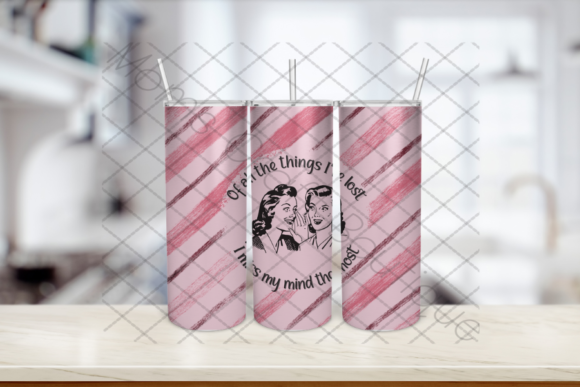
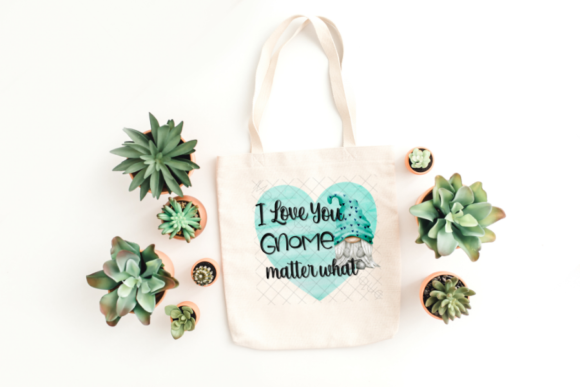
- Packaging and Merchandise: Apply the design to stickers, apparel, mugs, or tote bags. The included DXF and EPS files ensure compatibility with various cutting machines and professional print services, maintaining crisp lines for a premium feel.
- Editorial and Presentation Design: Use it as a section header in a presentation about communication strategies or as a pull quote in a blog post about design principles, adding visual interest and reinforcing the topic.
Tips for Selecting and Using Design Assets Effectively
To leverage assets like this for maximum impact, consider these factors in your design workflow:
- Evaluate for Scalability and Quality: Always choose vector files (SVG, EPS) for projects that require resizing, from a tiny favicon to a large banner. This ensures your design remains sharp and professional across all applications.
- Check for Comprehensive File Formats: A valuable asset bundle, like this one, provides multiple formats (SVG, DXF, PNG, PDF) to cover every base in your workflow, from digital cutting to high-resolution printing.
- Ensure Brand Consistency: Before incorporating a new element, assess its style against your existing color palette, typography, and overall brand voice. Does it complement or clash? Thoughtful integration is key to a cohesive brand identity.
- Understand the Licensing: Prioritize creators who explicitly state they avoid trademarked or copyrighted material. This protects your business and ensures the assets are ethically sourced and safe for commercial use, a standard practice for serious designers.
- Leverage Community and Support: Engage with the source community, such as joining a Facebook group for freebies and tips. Furthermore, responsive customer service indicates a creator who stands behind their product's quality and usability.
Ultimately, the power of a design element like "I Have Selective Hearing - Not Selected" lies in its ability to communicate a relatable idea instantly and stylishly. By selecting high-quality, well-optimized creative assets and applying them with a strategic understanding of visual communication, designers and creators can craft experiences that not only look polished but also resonate deeply, ensuring their message is not just heard, but selected and remembered.