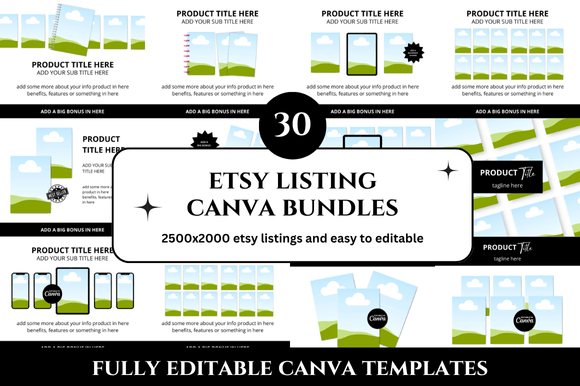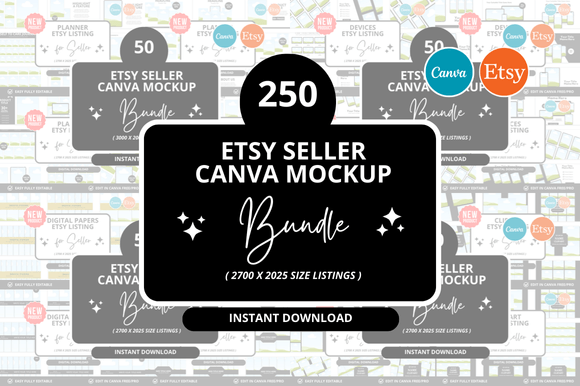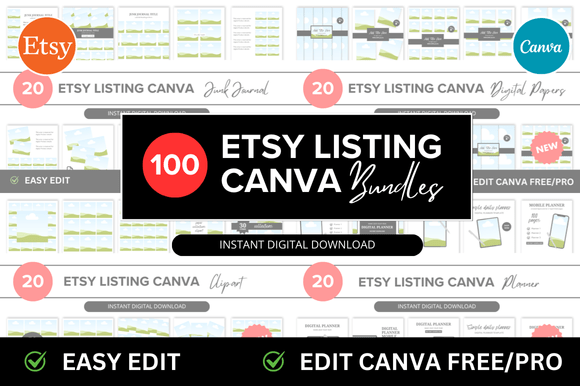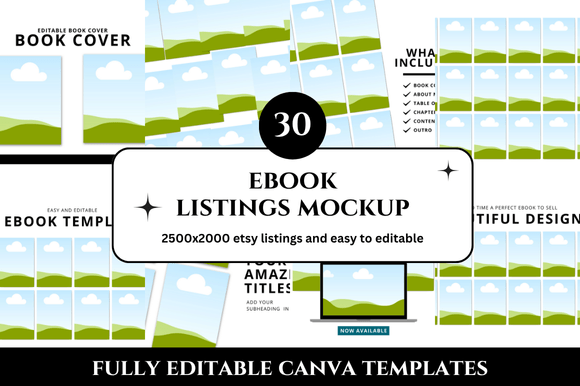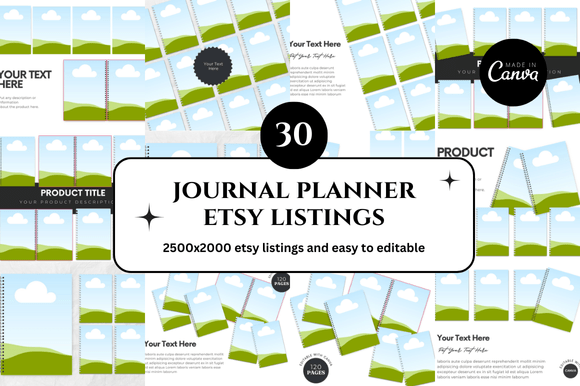
30 Planner Journal Etsy Listings Mockup: Professional Design Asset
Streamlining your creative workflow with high-quality assets like a 30 Planner Journal Etsy Listings Mockup can dramatically elevate your professional presentation and brand consistency. In the fast-paced world of digital design, having a reliable library of customizable templates is not just a convenience—it's a strategic advantage for maintaining a polished aesthetic across all platforms.
The Role of Professional Mockups in Visual Communication
Effective graphic design relies heavily on how information is visually structured. A cohesive set of mockups serves as the bridge between a raw concept and a market-ready product. For designers and business owners, utilizing templates ensures that every piece of communication—from social media graphics to web layouts—adheres to a specific visual hierarchy. This consistency builds trust with the audience and reinforces brand identity, making the design process more efficient without sacrificing quality.
Practical Applications Across Creative Fields
The versatility of a comprehensive mockup bundle extends far beyond simple display. It integrates into various facets of design and marketing, serving as a foundational tool for:
- Brand Identity Systems: Ensuring that typography, color palettes, and imagery remain uniform across all touchpoints, from business cards to large-scale advertising campaigns.
- Digital Marketing and Social Media: Creating engaging content quickly for platforms like Instagram or Pinterest, where visual appeal directly impacts user engagement and click-through rates.
- Web and UI Design: Visualizing product layouts and user interfaces before development, allowing for better user experience (UX) planning and editorial design clarity.
- Packaging and Print Design: Simulating physical products to evaluate aesthetics, readability, and material finishes, which is crucial for merchandise and printables.
Optimizing Your Design Workflow with Canva Templates
Modern design demands agility. Leveraging resources that are compatible with accessible platforms like Canva allows for rapid prototyping and customization. When selecting assets, focus on scalability and flexibility. A well-structured template should allow you to adjust visual elements—such as font weights, spacing, and color schemes—to fit specific project goals without breaking the underlying composition. This approach saves hours of production time, freeing up creative energy for strategic thinking and innovation.
Key Considerations for Selecting Design Assets
When evaluating creative resources, prioritize utility and adaptability. Look for assets that offer clean, modern aesthetics that can be easily adapted to different contexts. Consider the following factors to ensure the asset enhances your workflow:
- Compatibility: Ensure the files are optimized for your preferred software, allowing for seamless integration into your existing design system.
- Visual Clarity: Choose templates that prioritize readability and clear visual hierarchy, avoiding overly complex layouts that might distract from the core message.
- Resolution and Format: High-resolution files (such as 2500 x 2000 px) are essential for maintaining professional quality across both digital and print mediums.
Ultimately, the goal of any design asset is to facilitate clearer communication and a more compelling visual narrative. By investing in organized, professional tools, you empower your creative projects to stand out in a crowded marketplace. Thoughtful design choices, supported by high-quality resources, transform standard content into memorable experiences that resonate with your target audience and drive results.